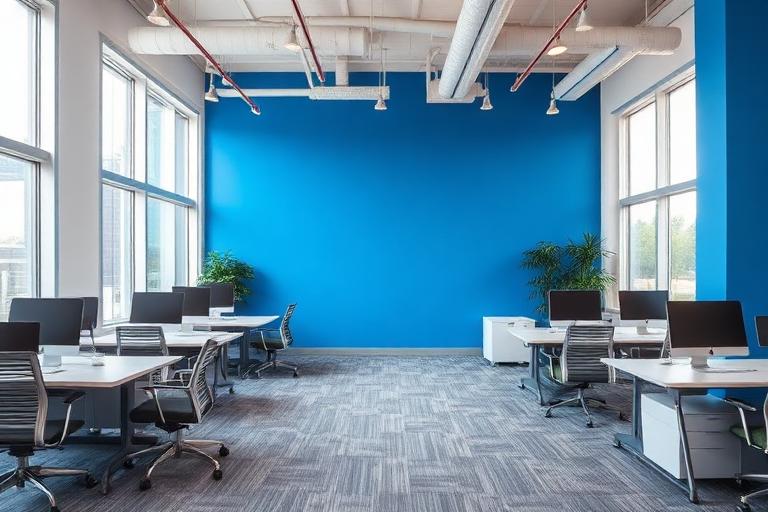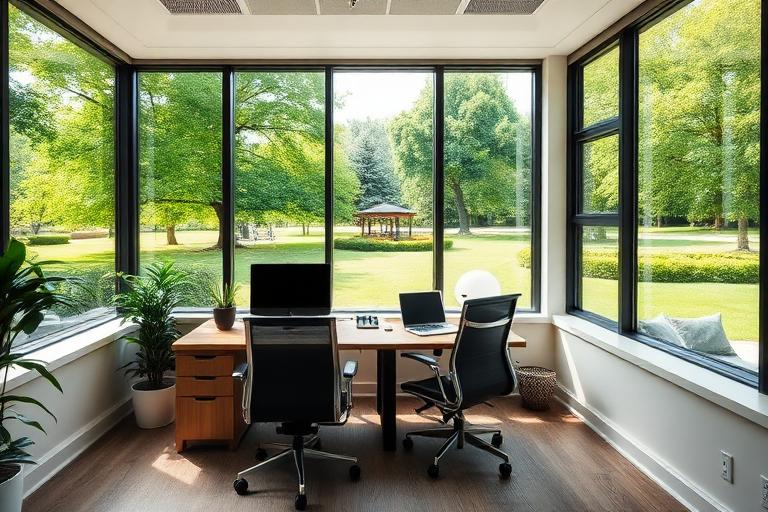
Productivity is not a mystery. It rises when environments reinforce discipline and falls when they blur the line between work and leisure. Working from home erases that boundary. The household is a landscape of temptations (chores, screens, interruptions) that fragment attention. And attention, in knowledge work, is the scarce resource.
Coworking spaces succeed because they restore the structural cues that help people behave like professionals. A Harvard Business Review study, summarized in Float’s analysis, shows that shared work environments create routines and subtle social expectations that nudge people toward focus. Humans are social animals; we calibrate our behavior to the norms around us. When the norm is concentration, we concentrate.
The separation between home and workspace also matters. Crossing a physical threshold triggers a cognitive shift. Entering a dedicated workspace signals the start of the workday; leaving it signals the end. This boundary protects workers from burnout and restores the rhythm that remote work disrupted.
The economics are straightforward: environments that reduce distraction and reinforce discipline produce more output. Coworking spaces do this not through coercion but through design. They replace the entropy of the household with an architecture of focus. In a world where attention determines productivity, that structure is a competitive advantage.