For two centuries, cities have been the engines of American prosperity. Digital tools promised to make geography irrelevant, yet the most productive workers still cluster in a handful of places. Remote work changed habits, not the underlying economics. Knowledge spreads faster face-to-face, and innovation still depends on proximity.
Ann Arbor illustrates this logic. The city’s strength is not its buildings but its density of human capital. The University of Michigan anchors a network of researchers, entrepreneurs, and professionals who learn from one another in ways that Zoom cannot replicate. Ideas move through informal conversations, quick questions, and unplanned encounters. These interactions are the micro-mechanisms that raise productivity.
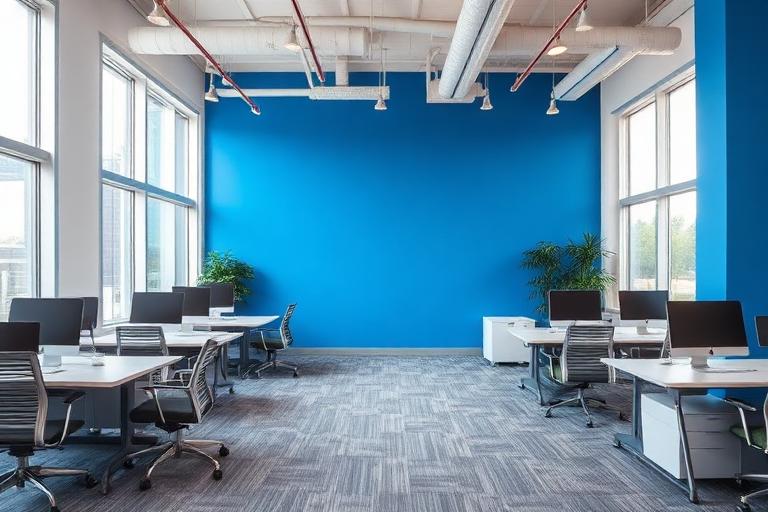
Coworking spaces exist because the demand for proximity never disappeared. Workers want flexibility, but they also want access to the information flows that cities generate. Aspire Ann Arbor sits at the intersection of these forces: a place where remote workers regain the benefits of urban spillovers without sacrificing autonomy.
The future of work will not be fully remote or fully in-office. It will be hybrid, anchored by spaces that allow people to plug into the city’s knowledge network when they need it. Cities matter because people matter, and people learn more when they learn together.