Cities thrive because they compress people, ideas, and industries into tight spaces. Economists call the resulting productivity boost agglomeration. But remote work scattered people across living rooms and suburbs, weakening the spillovers that make cities innovative.
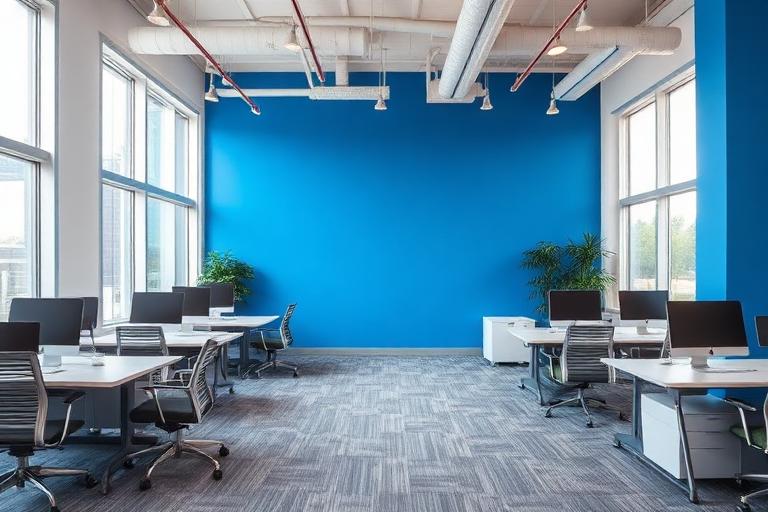
Coworking spaces reintroduce these spillovers at a smaller, more intentional scale. They create micro-cities: dense clusters of diverse professionals whose proximity generates learning. A designer overhears a marketing challenge. A software engineer shares a shortcut. A nonprofit director discovers a grant writer two desks away. These interactions are not scheduled; they emerge from spatial design.
Ann Arbor amplifies this effect. The city’s intellectual density (researchers, clinicians, technologists, policy thinkers) creates fertile ground for cross-pollination. Coworking spaces like Aspire Ann Arbor act as connectors within this ecosystem, lowering the friction of collaboration and increasing the probability of productive encounters.
Urban spillovers are not a relic of the industrial city. They are the engine of the knowledge city. Coworking spaces keep that engine running even as work becomes more distributed.