Remote work delivered flexibility but eroded something fundamental: social capital. Humans evolved to learn through observation, imitation, and informal exchange. When people work alone, those channels collapse. The result is loneliness (now one of the most common complaints among remote workers) and a measurable decline in motivation and well-being.
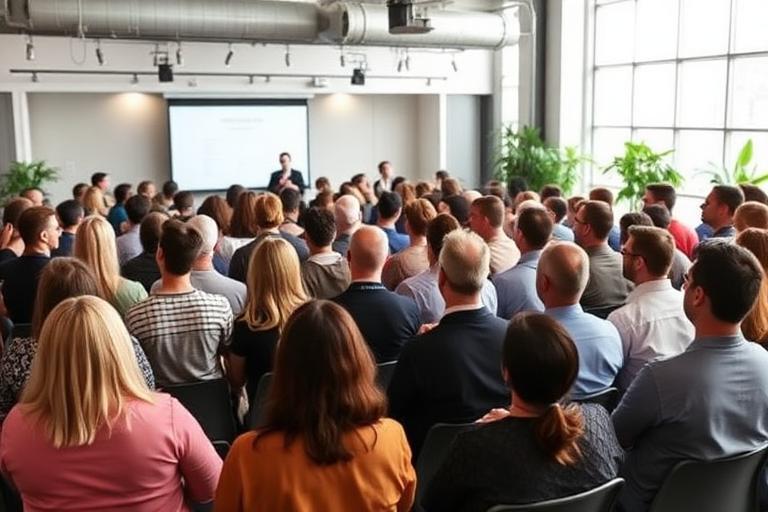
Coworking spaces repair this damage by restoring proximity. According to Gable’s research, 83% of coworking users report feeling less lonely. That figure reflects a deeper truth: social connection is not a perk; it is a cognitive input. Ideas spread through casual conversations, shared breaks, and the ambient awareness of others solving problems nearby. These interactions are the micro-mechanisms that make cities innovative and workplaces resilient.
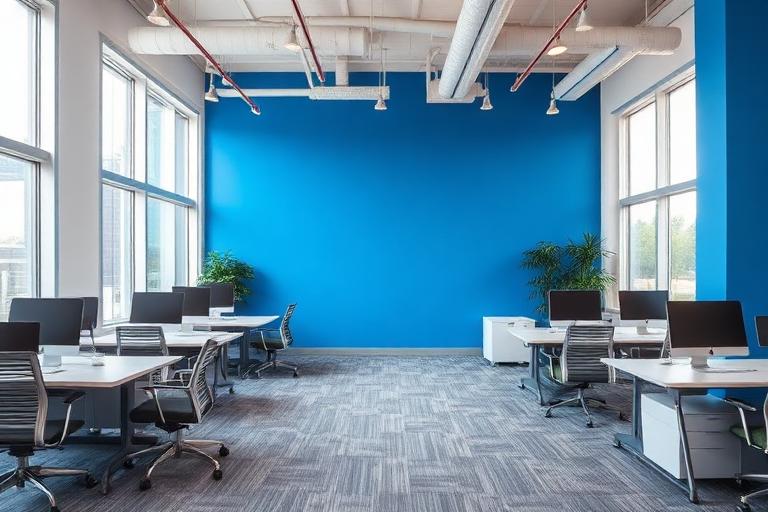
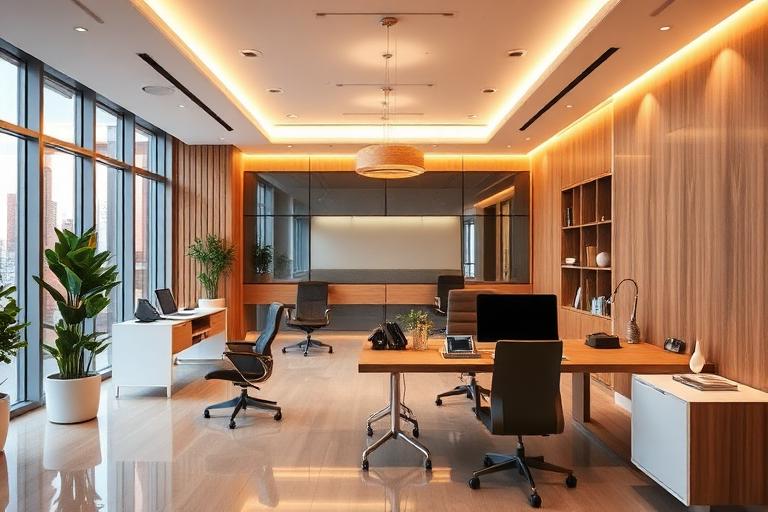
Ann Arbor amplifies these effects. The city’s density of human capital (researchers, technologists, clinicians, entrepreneurs) creates a fertile environment for learning. Coworking spaces like Aspire Ann Arbor act as nodes in this network, lowering the cost of connection and increasing the probability of productive encounters.
Loneliness is not just an emotional state; it is an economic drag. Coworking counters it by rebuilding the social infrastructure that remote work dissolved. The result is a healthier, more motivated, and more connected workforce.