The most valuable asset in any modern economy is human capital. Spaces that raise the productivity of skilled workers generate returns far greater than their construction cost. The question is not how to design beautiful offices, but how to design environments that help people think better.
Effective workspaces share three traits. First, they reduce cognitive load. Clear layouts, quiet zones, and reliable infrastructure eliminate the small frictions that drain attention. Second, they facilitate selective interaction. Workers need solitude for deep work and proximity for collaboration. The best spaces allow individuals to choose between the two without switching buildings. Third, they create a sense of shared purpose. Culture is not decoration; it is an economic input that shapes behavior.
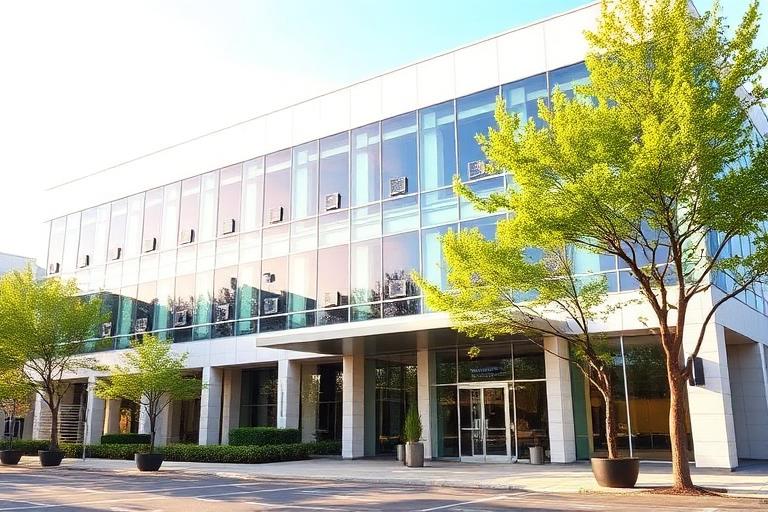
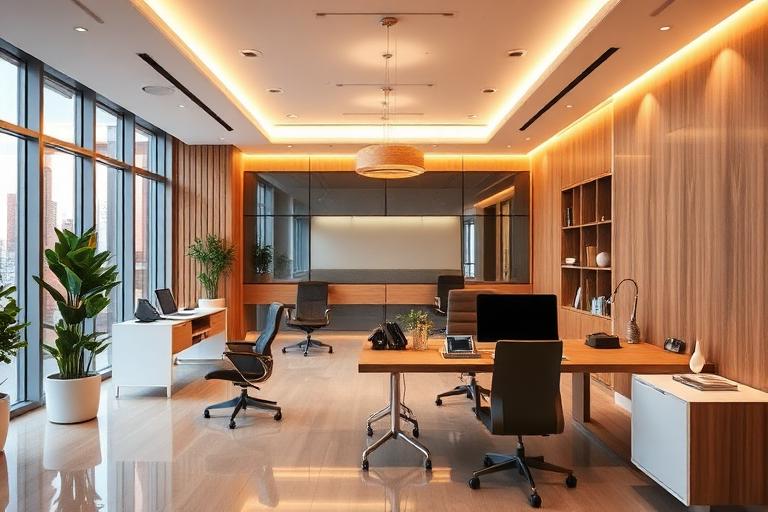
Aspire Ann Arbor applies these principles by treating space as a tool for human capital formation. The design encourages focus while enabling connection. Meeting rooms support structured collaboration; open areas support informal exchange; private offices protect deep work. This mix reflects the underlying economics: productivity rises when workers can match their environment to the task at hand.
The future of workspace design will not be defined by aesthetics but by function. Cities that invest in environments that amplify human capital will outperform those that rely on legacy office models. In a knowledge economy, the right space is not a luxury; it is a competitive advantage.